

Disclaimer: This content is for informational purposes only and does not constitute medical advice.
Are you struggling to fall asleep, waking up frequently at night, or feeling tired all day? You don’t need prescription sleeping pills or costly smart devices. Follow these 7 proven ways to sleep better—simple, no-cost solutions that improve your sleep quality step by step. Within a week, you’ll fall asleep faster, stay asleep longer, and wake up refreshed.
1.Introduction: Why You Can’t Sleep Deeply (2 Common Mistakes)
Most sleep problems come from daily habits, not genetics. Two mistakes are holding you back:
- Mistake 1: Scrolling phones before bed. Blue light from screens suppresses melatonin (the sleep hormone). You’ll fall asleep but stay in shallow sleep, waking up easily.
- Mistake 2: Catching up on sleep during the day. This disrupts your circadian rhythm, creating a vicious cycle: stay up late → sleep in during the day → stay up even more at night.
The secret to deep sleep is building a body clock response—your body learns to relax and fall asleep at the right time. This 7-day plan does exactly that, with no pills, no cost, and real results.
2.7-Day Sleep Improvement Plan (1 Simple Task Each Day)
Day 1: Adjust Your 1-Hour Pre-Bed Routine to Signal “Sleep Time”

Goal: Break the phone-scrolling habit and tell your body it’s time to rest.
Do 1 of these 2 things:
- Soak your feet in warm water (40°C/104°F) for 10–15 minutes to relax your body and reduce fatigue.
- Read 10–15 pages of a physical book (choose light essays, not thrilling novels) to calm your brain.
Pro Tip: If you can’t resist your phone, put it in another room or turn on “Night Mode + Do Not Disturb.”
Day 2: Optimize Your Sleep Environment for Deep Sleep
Goal: Create a quiet, dark, and comfortable space—no expensive gear needed.
3 Easy Adjustments:
- Darkness: Close thick curtains and turn off all nightlights. Dark rooms trigger melatonin production.
- Quiet: Use cheap foam earplugs or play white noise (rain, wind) via a free phone app if it’s noisy outside.
- Comfort: Adjust your pillow height (keep your neck straight), use a medium-thick blanket, and ensure your mattress isn’t too hard or soft.
Day 3: Adjust Your Diet to Avoid Sleep-Destroying Foods

Goal: Eat right to support sleep, especially dinner and late-night snacks.
Do These:
- Dinner: Eat lightly (70% full) before 7 PM. Avoid spicy, fried, or salty foods—they upset digestion.
- Late-Night Snacks (if hungry): Choose warm milk, a few cherry tomatoes, or 5–10 almonds. Skip sugar, coffee, tea, and energy drinks.
Critical Reminder: Stop all coffee, tea, and sugary drinks after 3 PM.
Day 4: Exercise to Boost Sleep Quality (But Time It Right)

Goal: Light to moderate exercise reduces stress and builds natural sleep drive.
Do This:
- Timing: Exercise between 9–11 AM or 3–5 PM. Avoid exercise 3 hours before bed—it keeps you awake.
- Intensity: Stick to walking, jogging, yoga, or stretching. Skip high-intensity workouts like HIIT if you struggle with sleep.
Day 5: Clear Mental Clutter to Relieve Bedtime Anxiety
Goal: Stop your brain from overthinking—this is the #1 cause of lying awake at night.
2 Simple Techniques:
- Write it down: Jot down worries or unfinished tasks in a notebook, and write “Deal with tomorrow tomorrow.” This “moves” stress from your brain to paper.
- Deep breathing: Lie down, close your eyes, and breathe: Inhale 4s → Hold 2s → Exhale 6s. Repeat 5–10 times to relax instantly.
Day 6: Fix Your Sleep Schedule to Build a Strong Body Clock
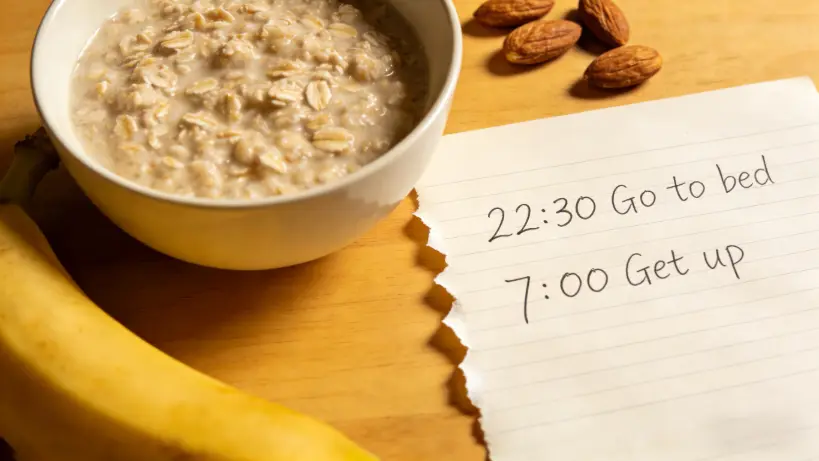
Goal: Train your body to feel sleepy and wake up at the same time—every day.
Do This:
- Bedtime: Lie down in bed by 11 PM, even if you’re not tired. Stay still—no phones, no reading.
- Wake-up: Get up at 7–8 AM daily, no exceptions. Open curtains to let in sunlight and reset your body clock.
Pro Tip: On weekends, don’t sleep in more than 30 minutes—this ruins your weekly progress.
Day 7: Review and Lock In Good Habits
Goal: Make your better sleep routine permanent by refining what works.
3 Steps:
- Review: Which tasks were easy to do? Which helped you sleep better? Which didn’t fit?
- Optimize: Keep the habits that work, and change or drop those that don’t.
- Solidify: Treat this 7-day plan as the start of a lifelong habit, not a short challenge.
3.3 Hidden Habits Ruining Your Sleep (Avoid These!)
These small mistakes sabotage even the best efforts—avoid them:
- Drinking too much water before bed: Limit sips 1 hour before sleep to prevent midnight bathroom trips.
- Talking about stressful things at night: Avoid heavy conversations—they keep your brain alert.
- Sleeping in for hours after a late night: Stay on your schedule. If you stayed up late, get up on time, and take a 20–30 minute nap (no longer!) at noon.
4. The Key to Better Sleep Isn’t “Forcing It”
Great sleep doesn’t come from pills or expensive gadgets. It comes from small, consistent daily changes—signaling your body, optimizing your space, calming your mind, and fixing your schedule.
This 7-day plan is designed for real people with real lives. Follow it, and you’ll notice: falling asleep is easier, you wake up less, and mornings feel energizing.
Final Note: If you’ve had insomnia for over 1 month with headaches, chest pain, or low mood, please see a doctor. For occasional poor sleep, this plan will work.
Disclaimer: The information provided in this article is for general informational purposes only and does not constitute medical advice. It is not intended to diagnose, treat, cure, or prevent any health condition. Always consult with a qualified healthcare professional before making any changes to your diet, exercise, or supplement routine.